Our Location
1/6984, Shivaji Park.
Shahdara, Delhi – 11032
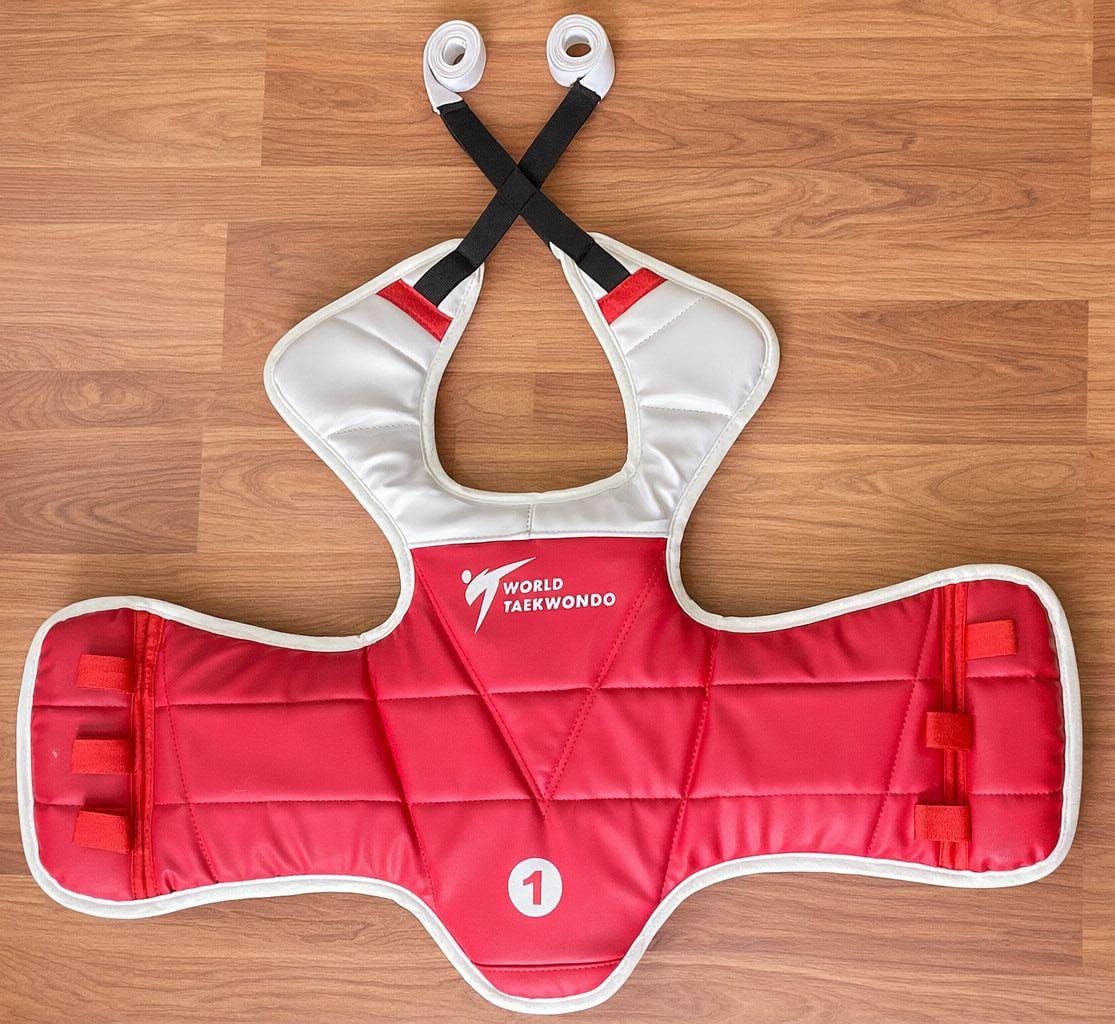
Safety is one of the most important aspects of martial arts training and competition. A Taekwondo chest guard, also known as a Hogu, protects athletes from powerful kicks and strikes during sparring. Choosing the right chest protector ensures both safety and performance.
In this guide, we will explain how to choose the best Taekwondo chest guard, key features to look for, and tips for beginners and professionals.
A Taekwondo chest guard is protective gear worn during sparring to absorb impact from kicks and punches. It is widely used in competitions regulated by World Taekwondo.
The chest guard protects:
It also helps referees identify scoring areas during matches.
This type is commonly used in training sessions and academy practice.
Features:
It provides good protection for daily practice.
Most competitions use reversible chest guards with red and blue sides.
Features:
These are designed according to rules from World Taekwondo competitions.
Advanced tournaments use electronic chest protectors.
Features:
These systems help judges record accurate scoring.
Choosing the correct size is essential for protection and comfort.
A chest guard should:
Sizes are usually available for kids, juniors, and adults.
Good chest guards use multi-layer foam padding that absorbs strong kicks.
Quality padding:
Heavy protective gear can slow down movement.
A good chest guard should be:
This allows athletes to perform fast kicks and sparring techniques.
The outer surface should be made from strong synthetic leather or durable fabric to handle repeated impacts during sparring.
Durability ensures the chest guard lasts through regular academy training.
Adjustable straps help secure the chest guard properly.
Look for:
Using proper protective gear offers several advantages:
✔ Protects chest and ribs during sparring
✔ Reduces injury risk
✔ Helps athletes train confidently
✔ Required for official competitions
Most competitions organized under World Taekwondo require protective gear including chest guards.
If you are new to Taekwondo:
Beginners should always train with proper safety equipment to avoid injuries.
A Taekwondo chest guard is one of the most essential pieces of protective equipment for martial artists. The right chest protector provides safety, comfort, and confidence during training and competitions.
When choosing a chest guard, always consider size, padding quality, durability, and comfort. Investing in high-quality gear helps athletes perform better while staying protected during intense sparring sessions.